You already check the weather before you leave the house, pack a bag, or water the garden. On September 3, 2026, Google DeepMind and Google Research introduced WeatherNext 3, a new global AI weather model that now helps power the forecast you see in Search, Gemini, and Maps.
WeatherNext 3 learns from real satellite pictures and weather stations, then builds a fresh forecast every hour. Google says the new model is about five times sharper than WeatherNext 2 overall. Some local details, like temperature near the ground, are shown at about 5 kilometers across. Broader surface weather sits around 10 kilometers. Higher-up air patterns sit around 25 kilometers. So the map is finer in some places than others, not one single grid for everything.
Rain is where many forecasts struggle. Google’s blog and research paper report big gains in rain skill in research tests. Separately, Google says that when you plan a day or more ahead in Search, Maps, and Gemini, precipitation forecasts look up to 50% more accurate, with the biggest lifts where forecasts used to be less reliable. Those are two different claims, and both matter.
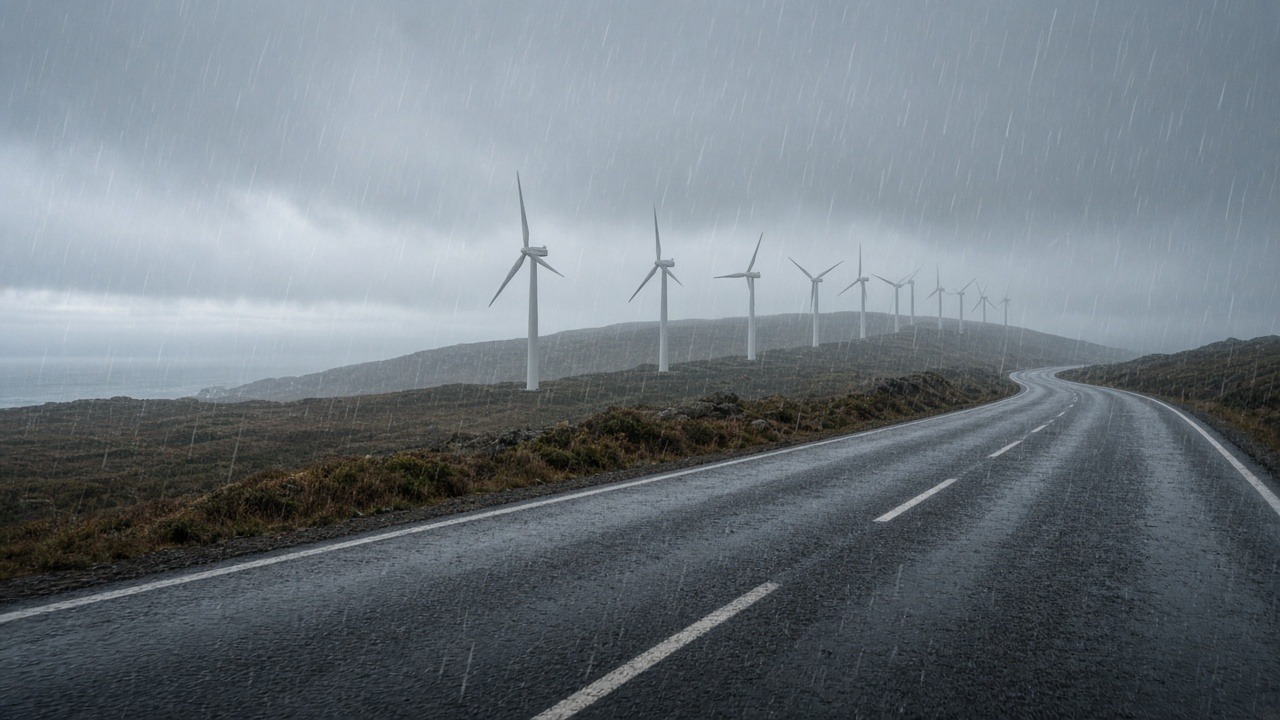
The model also predicts things clean energy needs, like wind near turbine height and how much sun hits the ground. Google highlights better local forecasting for people in Latin America, Africa, and Asia-Pacific, places that often lacked expensive regional weather computers. Developers and researchers get the data through Earth Engine, BigQuery, and Cloud tools too.
A few honest limits. The atmosphere stays partly unpredictable. Official forecasts and severe weather warnings still come from national weather agencies, not from a phone card alone. WeatherNext 3 is a sharper helper inside products you already open. It is not a replacement for the people who issue public safety alerts.
Tools like this point toward real progress in everyday life. Better rain calls for a weekend trip. Clearer heat and wind for farms and outdoor work. Better sun and turbine-height wind for clean power planning. More people get useful local detail without waiting on a regional supercomputer. Heal the guesswork in ordinary days. Then build from there.